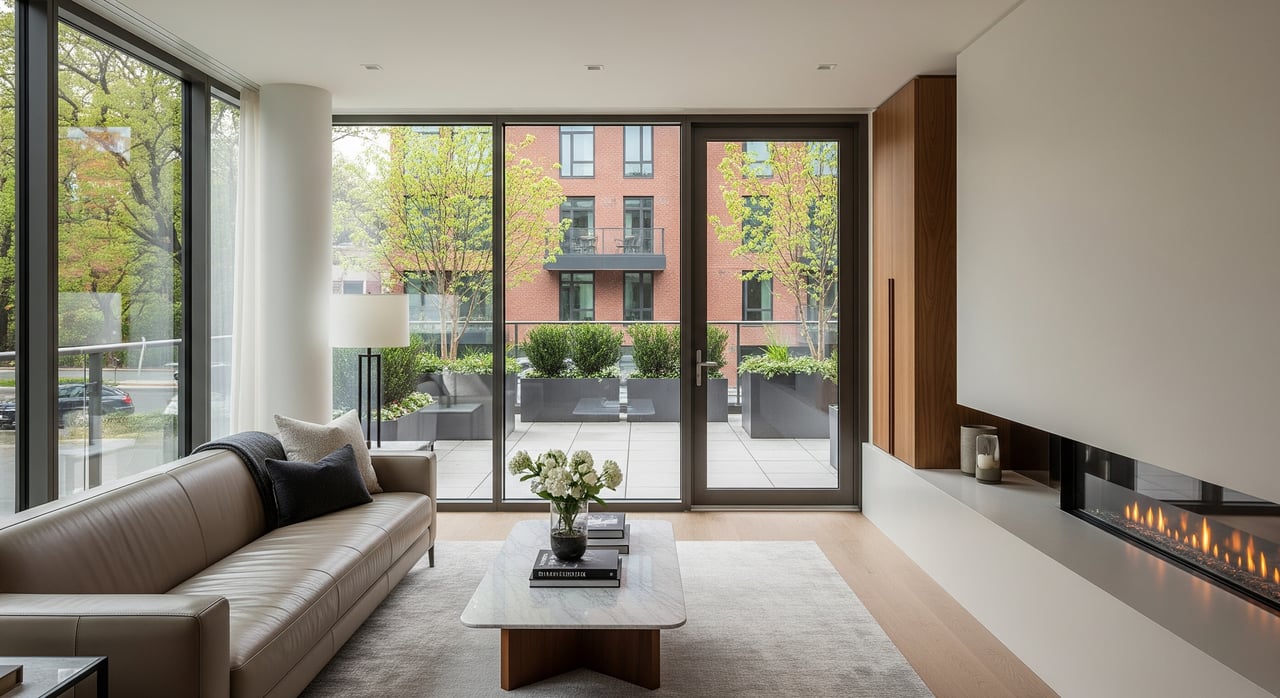
Wondering if a Burlington condo is the right move for low-maintenance living near shops, dining, and major highways? If you are a downsizer or a first-time buyer, the options around Burlington Mall, 3rd Ave, and The District can be very appealing. You want clarity on prices, HOA fees, financing, and which buildings fit your lifestyle. This guide breaks down local trends, key cost ranges, micro-markets, and practical steps so you can buy with confidence. Let’s dive in.
Burlington condo market at a glance
From 2021 to 2023, Greater Boston suburbs saw very strong demand followed by a cooling period as mortgage rates rose. Burlington condos generally followed this pattern, with slower price appreciation and a bit more inventory compared with the 2020 to 2021 peak. In early to mid 2024, prices in many suburban condo markets stabilized and conditions looked more balanced for buyers and sellers. Buyer demand remains sensitive to mortgage rates, so timing and pre-approval matter.
How condos differ from single-family homes
Condos can move differently than single-family homes because the supply is smaller and more segmented. A few listings in one complex can shift local averages, which means you will see wider swings. Inventory is concentrated near highway and retail corridors, so availability can be high in one community and almost zero in another. Condos also draw a different mix of buyers, including downsizers who want low maintenance, first-time buyers seeking access to Burlington, and commuters who prioritize Route 128 and MBTA bus links.
What condos cost in Burlington
Typical price bands
Prices vary by building age, unit size, parking, and amenities, but these bands are helpful for planning:
- Entry segment: roughly low to mid $300k up to about $450k, often smaller one-bedrooms or older buildings.
- Mid-range: roughly $450k to $650k, common for two-bedrooms, newer mid-rise buildings, and townhome-style condos.
- Upper tier: $650k and up, often larger layouts, newer construction, or amenity-rich communities.
Single-family homes in Burlington typically have higher medians than condos, often by several hundred thousand dollars depending on conditions. For current figures, verify with a local MLS search or recent sales data.
HOA fees and what they cover
Most Burlington condo fees fall in the $200 to $600 per month range. Amenity-heavy or luxury communities can run higher, often $600 to $1,000 or more. Fees commonly include building insurance, landscaping, snow removal, exterior maintenance, trash, and reserves, and sometimes water, sewer, or heat. Review the budget to see exactly what is included and whether there is any risk of special assessments.
Monthly cost comparison checklist
When you compare a condo to a single-family home, look at the full monthly picture:
- Mortgage principal and interest
- Property taxes based on assessed value
- HOA fees and what utilities they include
- Unit-level homeowner insurance vs single-family coverage
- Utilities not covered by the HOA
- Maintenance and repairs, remembering the HOA covers exteriors and common areas
Where to shop: Burlington micro-markets
Burlington Mall area
You will find a mix of older condo developments, garden-style buildings, townhomes, and newer projects near the Mall. This pocket delivers high walkability to retail and dining, plus convenient access to I-95, Route 3, and the 128 corridor. It suits buyers who want services nearby. Consider that some spots sit near heavy traffic, so review noise and parking conditions carefully.
3rd Avenue area
This area often features smaller or older condo complexes near light commercial or industrial zones. It can be a practical option for first-time buyers seeking lower entry prices and simpler, no-frills communities. Expect fewer amenities, and take a close look at building condition, parking, and traffic during business hours.
The District and newer mixed-use options
Locally, The District refers to newer mixed-use redevelopment near the Mall and 128 corridor, blending residential, retail, dining, and offices. You may find modern finishes, energy-efficient construction, and amenities like fitness centers or concierge services. These communities appeal to downsizers who want convenience and to first-time buyers who value walkability. The tradeoff can be higher HOA fees and rules related to initial development phases.
Financing and HOA health
What lenders look for
Condo financing goes beyond your income and credit. Lenders review the association’s reserves, owner-occupancy levels, any litigation, insurance, and rental policies. Strong reserves, a clear maintenance plan, and stable budgets make approvals smoother.
FHA, VA, and conventional loans
Not all condo projects are FHA or VA approved, which can matter for buyers using low-down-payment options. Conventional loans rely on Fannie Mae and Freddie Mac project standards. Underwriting is often tighter for condos than for single-family homes, so confirm project eligibility with your lender early.
Steps to get loan-ready
- Secure pre-approval and share your target condo locations with your lender.
- Ask your agent to obtain a condo questionnaire, budget, and master insurance details.
- Confirm project approval for FHA or VA if you plan to use those programs.
- Review the HOA reserve study and any planned capital projects so you understand potential assessments.
Due diligence: what to check before you buy
Association documents and finances
- Declaration, by-laws, and rules and regulations
- Current budget, reserve study, balance sheet, and bank statements
- Board meeting minutes from the last 12 to 24 months
- Master insurance coverage, including deductibles and what the association insures
- Owner-occupancy versus investor share
- Any pending litigation, recurring issues, or large deferred maintenance
- Parking and storage details, including guest rules and fees
- Pet policies, rental rules, and usage restrictions
Downsizers: top priorities
- Single-floor layouts or elevator access
- Secure entry and predictable maintenance
- Proximity to healthcare, retail, and dining
- Community stability and low turnover
If you plan to use equity for lifestyle or care needs, discuss tax implications with a qualified advisor.
First-time buyers: smart moves
- Include HOA fees in your affordability calculations
- Confirm project eligibility for your loan type early
- Favor locations with strong access to highways and transit for long-term resale
- Choose floor plans and sizes with broader buyer appeal
What this means for your timing
Condo supply in Burlington can change quickly, sometimes building by building. Inventory bursts in one complex can create opportunity, while other communities have almost no turnover. Since demand moves with interest rates, having pre-approval and a clear short list of target buildings helps you act fast when a good unit hits the market.
Ready to compare options?
If you want a practical read on price bands, HOA realities, and the best-fit micro-markets for your goals, let’s talk. With decades of local experience and hands-on guidance, Nancy Fudge can help you evaluate buildings, review HOA documents, and coordinate lenders and attorneys. Get your questions answered and get a free home valuation when you are ready to sell and right-size.
FAQs
Are HOA fees in Burlington negotiable at purchase?
- No. Fees are set by the association. You can sometimes negotiate seller credits, but not the monthly fee schedule.
Do Burlington condos appreciate slower than single-family homes?
- Sometimes. Condos can lag single-family homes, but quality buildings in good locations can see strong appreciation. Micro-market dynamics matter.
How much should I budget beyond the mortgage for a condo?
- Add HOA fees, property taxes, unit insurance, and any utilities not covered by the HOA. Keep a reserve for possible special assessments.
How do I confirm if a condo project is FHA or VA approved?
- Ask your lender to check current approval rosters. They can verify eligibility quickly and advise on alternatives if needed.
What are common red flags in HOA documents?
- Low reserves, frequent special assessments, pending litigation, high owner delinquencies, or rules that conflict with your plans, such as strict rental restrictions.