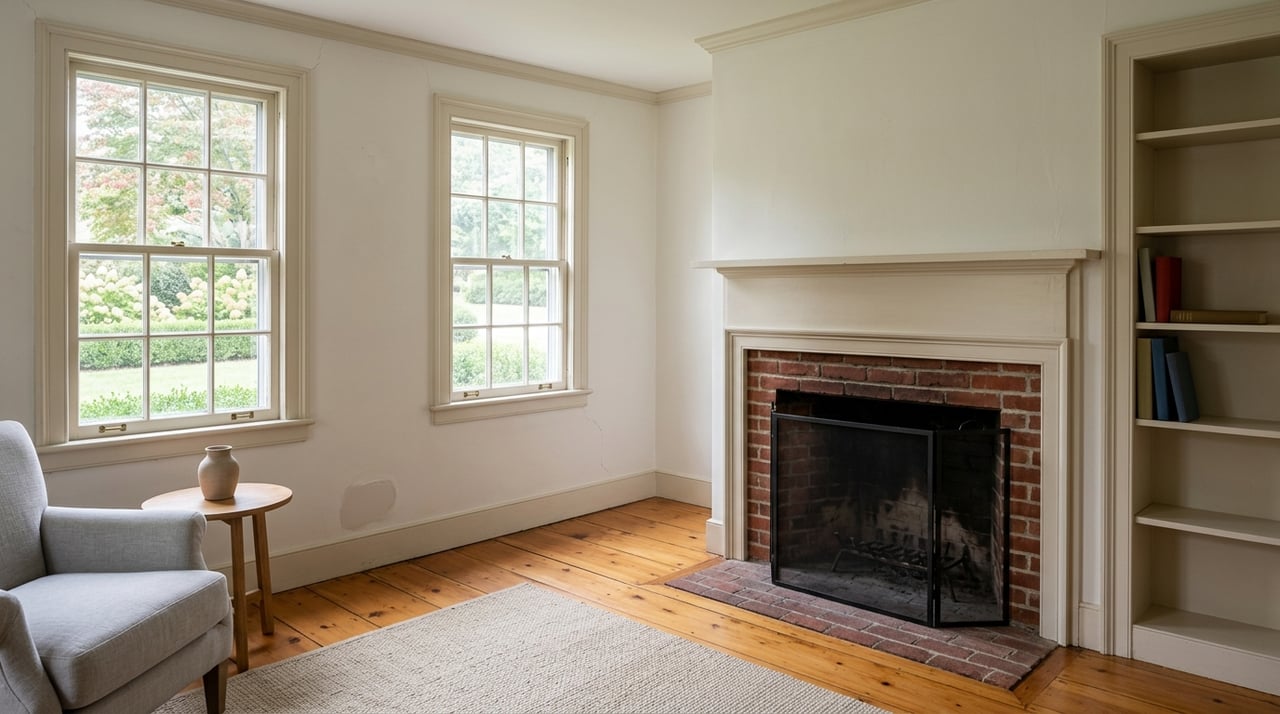
Wondering what it is really like to live in one of Andover’s historic homes? It is easy to fall for the charm of old wood floors, original trim, and a classic front entry, but daily life in an older house also comes with its own rhythms, upkeep, and local rules. If you are thinking about buying a historic home in Andover, this guide will help you understand the styles you may see, the lifestyle you can expect, and the smart steps to take before you buy. Let’s dive in.
Why Andover Historic Homes Stand Out
Andover’s historic housing stock reflects several different chapters of the town’s history. The town grew from early settlement around the Congregational meeting house, then expanded through 19th-century mill villages along the Shawsheen River, followed by 20th-century growth including the planned community of Shawsheen Village.
That means you are not looking at just one kind of historic home in Andover. Depending on where you search, you may find colonial-era houses, modest village homes tied to mill history, or more formal late-19th- and early-20th-century residences.
The setting can vary just as much as the architecture. The Central Street area is known in town historic-district materials as the social and religious core of Andover, while Ballardvale is described as a modest-scale 19th-century mill village with a traditional street pattern.
Historic Areas Offer Different Lifestyles
Central Street feels formal and established
If you are drawn to classic New England streetscapes, the Central Street area may stand out. Town historic-district materials describe it as one of Andover’s most impressive neighborhoods, and the homes there reflect a broad range of historic styles.
For you as a buyer, that often means strong visual character and a setting where architecture plays a big role in everyday curb appeal. Streets in this kind of area can feel more rooted in the town’s long history than newer neighborhoods.
Ballardvale feels village-scaled and lived-in
Ballardvale offers a different experience. Its bylaw describes the district as a lived-in mill village where preservation is balanced with reasonable changes that support contemporary residential life.
That can appeal to buyers who want historic character without expecting every home or street to feel formal. You may find a more modest scale, a traditional street pattern, and a strong sense of place that comes from the area’s mill-village history.
Shawsheen Village adds planned-community character
Shawsheen Village brings another layer to Andover’s historic housing story. It was rebuilt between 1919 and 1924 as a planned industrial community with more than 200 houses and several community buildings.
The historical society notes that upper management lived in brick homes, while middle-management and clerical workers lived in white-painted houses with green shutters. For buyers today, that history helps explain why Shawsheen Village can feel visually distinct from other historic parts of town.
Architectural Styles You May See
One of the biggest benefits of shopping historic homes in Andover is the variety. The town’s design-guideline materials identify styles ranging from First Period houses to Shingle Style homes, so your search may include very different floor plans, exterior details, and maintenance needs.
First Period and early colonial homes
These late-17th- and early-18th-century homes are typically timber-framed, often with a prominent central brick chimney, narrow clapboards, and limited exterior ornament. You may notice a compact scale and a strong sense of original craftsmanship.
These homes can offer remarkable character, but they may also rely more heavily on original wood and masonry components. That makes condition and maintenance history especially important when you evaluate a property.
Georgian and Federal homes
Georgian homes emphasize symmetry, central halls, centered entrances, and classical details like pilasters or decorative crowns. Federal homes keep that balanced look but often feel lighter, with features such as five-bay façades, fanlights or transoms, and refined trim.
If you are used to newer open layouts, these homes may feel more formal and room-based. For some buyers, that is part of the appeal because the floor plan creates a clear sense of structure and tradition.
Greek Revival, Italianate, Gothic Revival, and Second Empire
Andover’s historic homes also include several 19th-century styles with more decorative detail. Greek Revival homes often emphasize the short gabled end and may have recessed or off-center entries with sidelights and transoms.
Italianate homes are usually more asymmetrical, with low-pitched roofs, tall windows, decorative cornices, and sometimes towers or bay windows. Gothic Revival homes often feature steep roofs, pointed-arch windows, and gingerbread trim, while Second Empire homes are known for mansard roofs, dormers, and decorative brackets.
Shingle Style and Colonial Revival homes
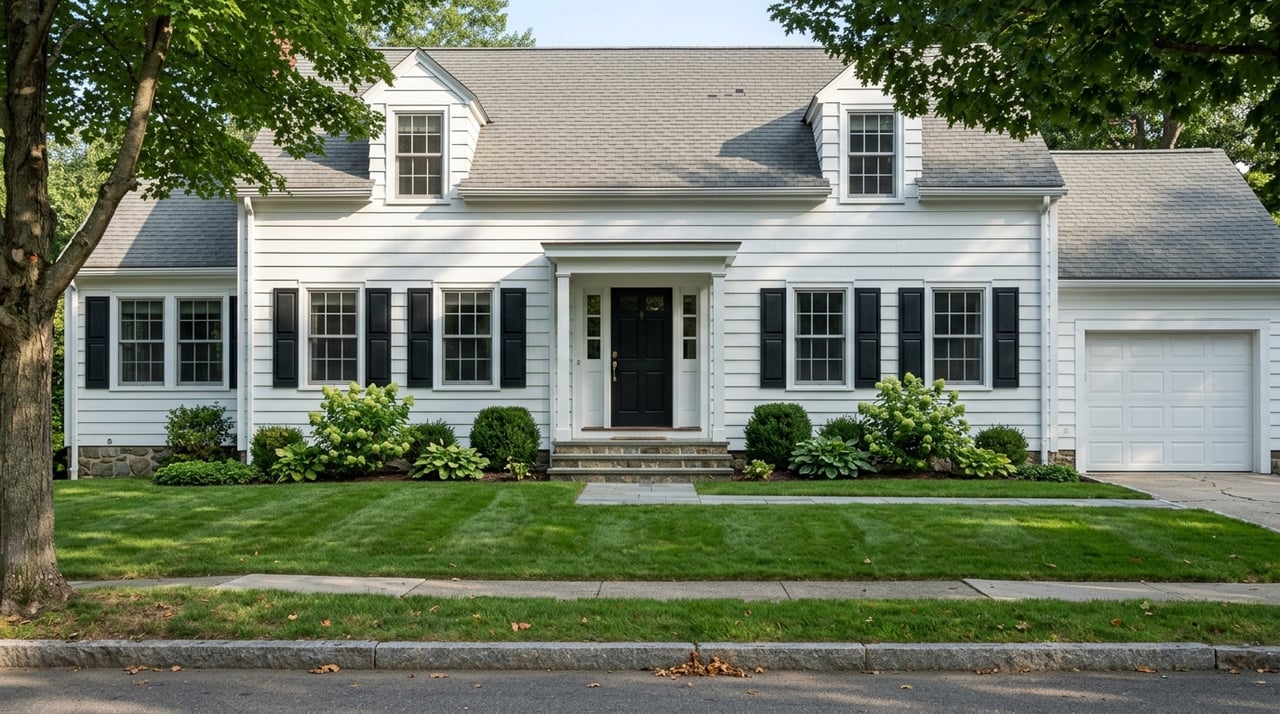
Shingle Style homes in Andover are described with asymmetrical forms, wraparound porches, shingle siding, and complex rooflines. Colonial Revival homes return to symmetry, often with prominent front doors, sidelights or fanlights, and multi-pane windows.
If you want a historic home that still feels familiar to many suburban buyers, Colonial Revival homes often bridge that gap well. They can offer older character with a layout and exterior presence that feels easier for many buyers to picture as a long-term fit.
What Daily Life Can Feel Like
Living in a historic Andover home is often as much about the setting as the house itself. Older homes tend to sit in neighborhoods with a strong sense of place rather than in more uniform subdivisions.
That can mean mature streetscapes, distinct architecture, and a more visible connection to the town’s past. For many buyers, that everyday atmosphere is the real draw.
Culture is also part of the local experience. The Addison Gallery of American Art on the Phillips Academy campus is free to the public, and the Andover Center for History & Culture on Main Street offers free admission, research space, and guided historic house museum tours.
Outdoor access adds another practical benefit. The town says residents, students, and visitors have access to more than 5,000 acres of outdoor public space, AVIS manages more than 1,200 acres across more than 30 reservations, Fish Brook North includes 235 acres with 2.1 miles of trails, and the Haggetts Pond Rail Trail project is designed as a fully accessible route with an 8-foot asphalt path, benches, interpretive signage, and a scenic overlook.
What Buyers Should Know About Upkeep
Historic homes can be deeply rewarding, but they usually ask more from you than newer construction. Roofing, masonry, trim, windows, and chimneys may need closer attention, especially when original materials are still in place.
That does not mean every older home is a major project. It does mean you should go in with clear eyes, a realistic budget for maintenance, and a plan for understanding what has been updated and what may need attention next.
Andover also has local preservation oversight that can affect exterior work. The Andover Preservation Commission reviews proposed exterior changes to historically significant buildings when a building permit is sought for properties in the Andover Historic Building Survey, the Massachusetts Historical Commission inventory, or the National Register.
In Ballardvale, exterior changes visible from a public way require review. The bylaw specifically addresses additions, new construction, demolition, and exterior elements such as roof materials, siding and trim, windows, and doors, while interior changes are not reviewed.
A Smart Purchase Plan for Historic Homes
If you are serious about buying a historic home in Andover, a careful plan matters. Older homes often reward buyers who do more homework before closing, not less.
Start with a general home inspection, then consider specialist review where needed. Depending on the property, that may include closer evaluation of the roof, chimney, masonry, windows, or other original materials.
You should also confirm early whether the property falls under a historic-district review process or a demolition-delay rule. The town’s Building Division enforces the state building code as well as the bylaws covering demolition of historically significant buildings and the Ballardvale Historic District, so permit questions are worth addressing before you start repairs or renovation planning.
One advantage in Andover is that owners and buyers have strong local support. The Preservation Commission says it can advise owners on historic restoration projects, including appropriate materials and lower-cost alternatives, and the town’s research resources point people to the Andover Center for History & Culture, Memorial Hall Library, and deed registries in Lawrence and Salem.
Why Guidance Matters When Buying Older Homes
Buying a historic home is not just about falling in love with details. You also need to evaluate condition, understand local review requirements, and weigh how a home’s style and layout fit your day-to-day life.
That is where practical local guidance can make a real difference. A hands-on buyer strategy helps you look beyond the charm and focus on the full picture, from inspections and contractor conversations to resale value and long-term maintenance.
If you are exploring historic homes in Andover and want clear, experienced guidance through the process, Nancy Fudge can help you move forward with confidence.
FAQs
What types of historic homes can you find in Andover?
- Andover has a mix of historic homes tied to several eras, including early colonial houses, 19th-century mill-village homes, and late-19th- to early-20th-century residences, including homes in Shawsheen Village.
What does living in a historic Andover home feel like?
- Living in a historic Andover home often means enjoying a neighborhood with a strong sense of place, distinct architecture, nearby cultural resources, and access to extensive outdoor space.
What architectural styles appear in Andover historic homes?
- Buyers may see First Period, Georgian, Federal, Greek Revival, Italianate, Gothic Revival, Second Empire, Shingle Style, and Colonial Revival homes in Andover.
What exterior changes may require review for historic homes in Andover?
- Exterior changes may require review by the Andover Preservation Commission for historically significant properties when a building permit is sought, and in Ballardvale, exterior changes visible from a public way require review.
What inspections should you consider before buying a historic Andover home?
- A smart plan includes a general home inspection plus specialist review where needed for items like the roof, chimney, masonry, windows, and other original materials.
Where can you research the history of an Andover home?
- Local research resources include the Andover Center for History & Culture, Memorial Hall Library, and deed registries in Lawrence and Salem.