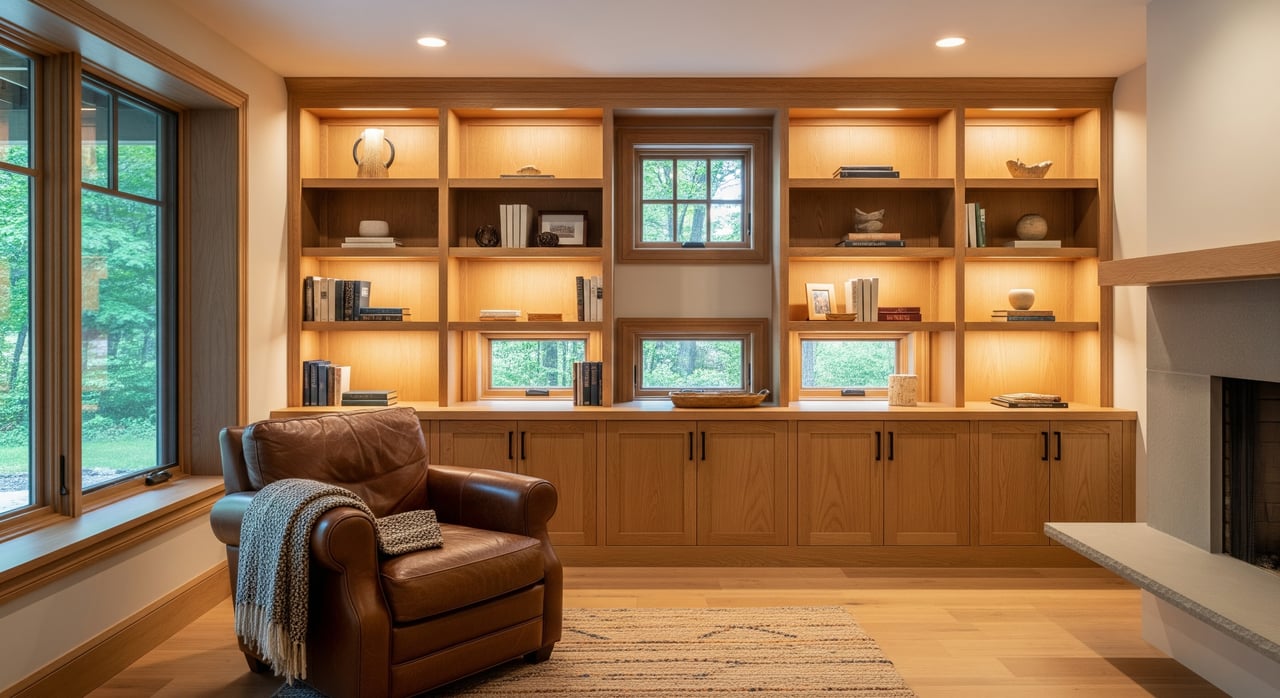
Thinking about turning that underused lower level into a cozy family room or home office, but worried permits will slow you down? You are not alone. Reading homeowners often get tripped up by unclear rules, missing documents, or surprise inspection requirements. This guide lays out what the Town of Reading typically expects, when stamped plans are needed, and how to move through the online permit process with confidence. Let’s dive in.
Do you need a permit?
Most basement finishes that create habitable space require a building permit in Reading. That includes new rooms, bathrooms, or any work that changes structure, electrical, plumbing, gas, HVAC, or egress. Separate trade permits are usually required for electrical, plumbing, and gas work.
Cosmetic-only work may not need a permit. If you are simply painting, installing carpet, or replacing trim, a permit is typically not required. When in doubt, ask the Reading Building Division before you start.
Projects that typically need permits
- Converting unfinished space to living space such as a family room, office, or bedroom
- Adding a bathroom or wet bar with plumbing
- Adding or altering electrical circuits, panel upgrades, or new lighting
- Installing or changing HVAC, duct runs, or combustion air
- Any structural changes, including removing posts or adding beams
- Changing stairs or adding an egress window or exterior door
Cosmetic work that may not
- Painting walls or ceilings
- Replacing flooring like carpet or luxury vinyl plank
- Installing trim or interior doors where framing is not altered
- Minor patching of drywall that does not change layout
Always verify your specific scope with the Building Division, since project details can change the permit path.
Reading online permit basics
Reading accepts permit applications through the town’s online permitting system. You will create an account, submit your application and plan PDFs, and pay fees online. The Building Division reviews your package and issues comments or approval electronically. After issuance, you will schedule inspections through the portal or by phone.
Step-by-step application workflow
- Create or log in to your account in the Town’s permitting portal.
- Choose the correct permit type. For a basement finish, select a building permit for alterations or interior finish. Plan on separate trade permits for electrical, plumbing, and gas, pulled by licensed contractors.
- Fill out the application. Include the property address, owner name, contractor information and registration numbers, a clear scope description, and an estimated project value.
- Upload your plan set and required documents as PDFs.
- Pay the applicable application and plan review fees.
- Monitor review comments. If the reviewer requests clarifications, upload revised documents.
- After permit issuance, post the permit on site and schedule inspections at each stage.
Owner or contractor as applicant
- You can often apply as an owner for owner-occupied projects. You will need to complete owner-builder disclosures and provide insurance information.
- Licensed trades typically pull their own permits. In Massachusetts, electrical, plumbing, and gas permits are usually filed by licensed tradespeople with their license numbers and insurance.
Documents you will need
A clean, complete submission speeds review and reduces back-and-forth. Aim to include the following:
- Completed building permit application for alterations or interior finish
- Clear scope-of-work narrative and project description
- Existing and proposed floor plans with room labels, dimensions, door and window locations and sizes, smoke and CO detector locations, and egress details
- Stair notes and headroom callouts, plus locations of mechanical equipment
- Identification of any load-bearing walls to be added or removed
- Contractor information, including license or registration numbers and business address
- Proof of insurance, often with the Town of Reading listed as certificate holder
- Site or address verification, such as a simple site plan or parcel reference
- Fee payment receipt
Energy and ventilation compliance
Massachusetts energy rules apply to altered spaces. Be ready to provide energy compliance documentation such as a REScheck report or an energy worksheet that shows insulation R-values, window U-factors, and air sealing. If you are adding a bathroom or rooms that need mechanical ventilation, include ventilation calculations or equipment specifications.
Trade permit documentation
- Electrical: single-line diagram when needed, panel schedule, and any load calculations for new circuits or panel changes
- Plumbing and gas: a simple riser diagram, fixture schedule, and gas piping layout for new appliances
- Structural: if you remove posts, add beams, alter foundations, or make other structural changes, include structural drawings and calculations
When stamped plans are required
A “stamped plan” is a drawing signed and sealed by a Massachusetts-licensed architect or professional engineer. Reading’s Building Division can require stamped plans when safety, structure, or system complexity is involved. For straightforward interior finishes without structural changes, stamps are usually not needed.
Situations that often require stamped plans:
- Removing or altering load-bearing walls or posts, adding LVL or steel beams, or changing floor support
- Enlarging or creating new openings in foundation walls, underpinning, or new footings
- Significant foundation work or partial excavation
- Complex HVAC, combustion air, or gas systems that need engineered design
- Multi-family or mixed-use properties that affect fire separation or egress
The Building Official has final discretion. If the reviewer sees a safety concern, they can request professional design even when you think the change is minor. Budget accordingly if you plan structural work.
Inspections to expect
Once your permit is issued and work begins, you will schedule inspections at key stages. Do not cover work until you pass the relevant rough inspections.
- Rough inspections: framing, electrical, plumbing, gas, and HVAC before insulation and drywall
- Insulation and air sealing: inspector checks R-values, coverage, and air sealing around penetrations
- Final inspections: building, electrical, plumbing, gas, and mechanical. Inspectors verify egress, smoke and CO detector placement and interconnection, finishes, and safety items
- Additional testing: depending on scope, energy tests such as blower door or duct tightness may be required
Common items reviewers flag
- Egress windows or doors that do not meet code size or sill height for bedrooms
- Smoke and CO detectors that are missing, incorrectly located, or not interconnected
- Stair safety issues such as headroom, handrails, or guardrails
- Insufficient insulation or unsealed penetrations at rim joists and exterior walls
- Electrical issues such as lack of GFCI where required, improper cable protection, or box fill
- Plumbing venting or slope problems on new fixtures
Avoid permit headaches
A little planning up front saves time and money. Use these practical tips to keep your project on track.
- Start early. Ask the Building Division what they want to see for your specific scope.
- Submit a clear plan set. Label egress, smoke and CO locations, insulation, and any framing changes right on the plans.
- Hire licensed trades. Licensed electricians, plumbers, and gasfitters know local practice and file the correct permits.
- Plan inspections. Leave walls open and coordinate access so inspectors can see the work.
- Confirm energy requirements. Know whether you need REScheck, an energy worksheet, or testing before you insulate.
- Keep records. Save copies of permits, plans, inspection reports, and receipts for future resale and maintenance.
Quick prep checklist
- Define your scope and room layout
- Create existing and proposed floor plans with dimensions and egress
- Note smoke and CO detector locations on plans
- Gather contractor licenses, registration, and insurance certificates
- Prepare energy compliance documentation
- Upload PDFs to the portal and pay fees
- Schedule rough, insulation, and final inspections
Timeline and expectations
Simple, nonstructural basement finishes may be reviewed in a few days to a couple of weeks. Projects with structural changes or engineered plans can take several weeks to review. Permit timing varies based on workload, plan quality, and responsiveness to review comments. Build in time for inspections, possible corrections, and energy compliance.
Selling later? Why permits matter
Permits protect your safety and help avoid surprises when you sell. Unpermitted work often gets flagged by buyers and lenders, which can delay or reduce offers. Insurers may deny claims tied to unpermitted work. Getting the right permits now helps you enjoy the space today and keeps your future closing smooth.
Next steps for Reading homeowners
If you are planning a basement finish, start with a clear plan and a short call to the Building Division to confirm submittal needs. Then assemble your documents, file online, and schedule inspections at the right stages.
If you want a local perspective on how a basement project may impact resale or timing, our boutique team is here to help. With decades of Middlesex County experience and a trusted contractor network, Fudge Properties can connect you with the right professionals and keep your real estate goals in view. Ready to talk next steps or get a sense of value after your upgrade? Get Your Free Home Valuation with Fudge Properties.
FAQs
Do I need a permit to finish my basement in Reading?
- Most basement conversions to habitable space require a building permit, and separate trade permits are usually required for electrical, plumbing, and gas.
What work can I do without a permit in Reading?
- Cosmetic-only items like paint, carpet, and trim typically do not require a permit, but adding bedrooms, bathrooms, or changing egress or systems usually does.
When are stamped plans required for a basement finish?
- Stamped plans are commonly required for structural changes, foundation work, complex mechanical systems, or when the Building Official determines a licensed design is necessary.
Can I pull my own permit as a homeowner?
- Often yes for owner-occupied projects, but licensed trades typically must pull electrical, plumbing, and gas permits and provide their license and insurance details.
What inspections will my Reading basement project need?
- Expect rough inspections for framing, electrical, plumbing, gas, and HVAC, an insulation and air sealing check, and final inspections for all relevant disciplines.
What happens if I skip permits for my basement finish?
- You risk stop-work orders, fines, required remediation, insurance issues, and resale complications that can delay or derail a future sale.