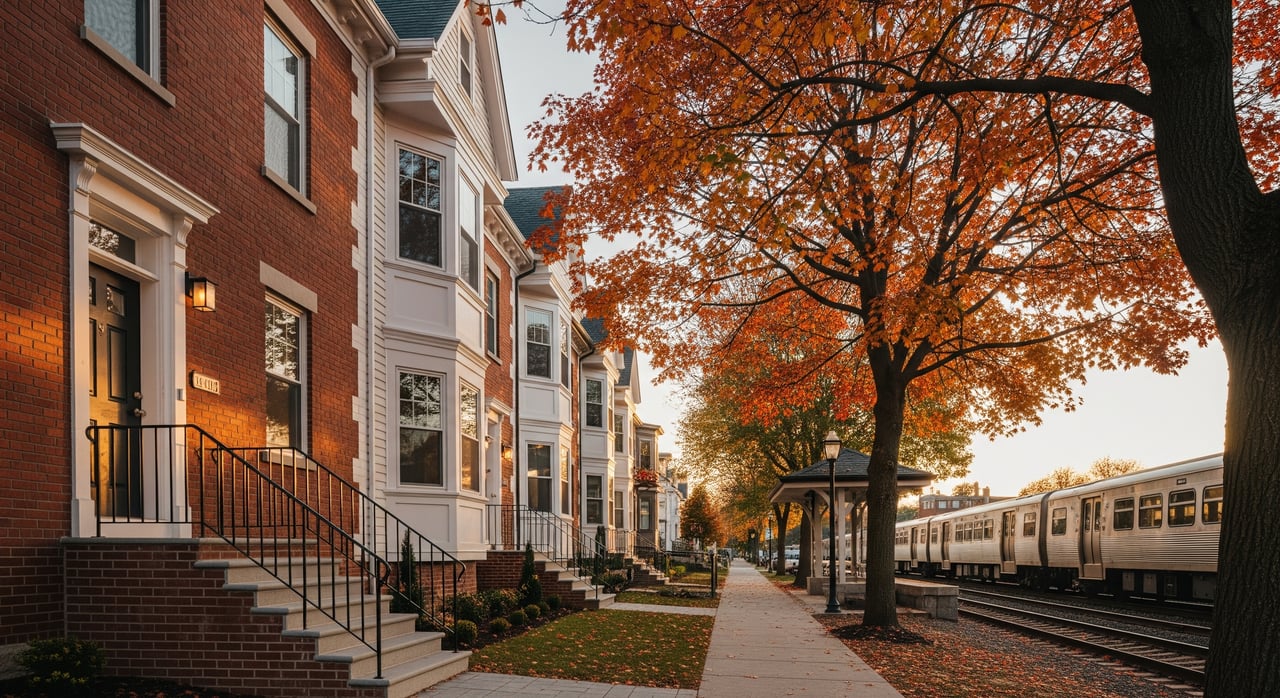
If shaving time off your commute is a priority, living near Reading Station can make your day simpler. You want reliable trains, clear parking rules, and a walkable downtown that fits your routine. In this guide, you’ll learn what MBTA service looks like from Reading, how parking and permits work, and what to consider when you lease near the depot. Let’s dive in.
Why lease near Reading Station
Living close to the MBTA Reading stop gives you a straightforward ride to Boston’s North Station on the Haverhill Line. The station sits by Lincoln and High Streets at the edge of downtown, so coffee, errands, and local services are a short walk. The town is actively improving the depot area streetscape, which can make daily trips on foot or bike easier over time.
Commute basics from Reading
Weekday trains from Reading to North Station typically run about 30 to 40 minutes depending on the trip. Some outer-line trains skip Reading, so it’s smart to check the current timetable before you plan. You can review times and any updates on the official MBTA Haverhill Line page.
- Check current schedules and trip times on the MBTA Haverhill Line timetable: MBTA Haverhill Line schedule.
- Service patterns can vary by time of day. Always verify the specific trains you expect to ride.
Possible frequency changes
MBTA leadership has discussed a plan for more frequent inner Haverhill service with a 30-minute target on some inner segments. These ideas were public as of 2025, but timing and final details depend on MBTA decisions. If frequent service matters to you, follow official updates and avoid assuming changes until MBTA publishes a formal schedule. You can read coverage of the proposal in this report: T plans 30-minute train frequency on inner Haverhill Line.
Parking and permits near the depot
Parking around Reading Station is managed by both the MBTA and the Town of Reading. That means rules and options depend on exactly where you park.
- MBTA-managed parking: Many MBTA lots offer daily pay-by-phone and monthly permits. A permit does not always guarantee a specific space and some lots fill quickly. Learn more here: MBTA monthly parking and pay-by-phone.
- Town-managed parking: The town regulates certain depot and downtown spaces, including resident permits and time-of-day restrictions. Overnight parking is often limited in municipal lots. Review current rules here: Reading resident parking and depot permits.
- What to expect at the depot: Third-party snapshots show an MBTA lot by the station. Counts vary by source and can change, so verify availability before you rely on it. See a quick overview here: MBTA Reading Station lot info.
Tip: If a listing says “parking available at the station,” clarify whether that means a private space, an MBTA monthly permit you must secure yourself, a town permit, or on-street options with time limits.
First and last mile: walk, bike, bus
The depot sits at the edge of downtown, so everyday errands are nearby. The Town of Reading is advancing downtown and depot-area improvements through the Haven Street and downtown streetscape project, which aims to enhance walkability and access. You can follow the project here: Haven Street & Downtown Streetscape Project.
For alternatives to walking, local MBTA bus routes also connect to the station area. Third-party transit apps list service such as the 137 and 354. For a quick snapshot of lines and stops, see: MBTA bus connections to Reading Station.
How rail proximity affects rents and demand
Homes and apartments near rail often see stronger demand from commuters. Industry and academic research finds a “transit premium” in many regions, although the size of that premium varies by factors like service level, parking supply, and walkability. For background, the National Association of Realtors summarizes these patterns here: Public transportation and property values.
In Reading, practical drivers include the 30 to 40 minute trip to North Station on many trains, the split management of parking, and the town’s ongoing efforts to improve downtown access. Together, these shape how desirable a unit near the depot can be.
What renters should ask before applying
- Commute details: What are the typical trains you would take and their travel times? Verify using the MBTA Haverhill Line schedule.
- Parking specifics: Is a space included with the unit? If not, do you need an MBTA monthly permit or a town permit? Review rules for MBTA parking and Reading permits.
- Overnight rules: Are there overnight restrictions in nearby municipal lots or on-street spaces? The town provides current guidance on downtown visitor and customer parking: Downtown parking rules.
- Construction impacts: Could streetscape work temporarily affect your walk route or where you park? Check the current status on the town’s streetscape project page.
What landlords should include in listings
- Exact walk time: Approximate minutes to the station and which line it serves. Reference that riders should confirm train times on the MBTA timetable.
- Parking clarity: State if parking is a private on-site space, an MBTA permit the tenant must obtain, or a town permit. Include the process and any fees where applicable.
- Transit notes: Mention the typical Reading to North Station ride time range and advise applicants to verify current schedules.
- Practical disclosures: Note obvious rail-related noise and any mitigation such as double-pane windows or unit orientation.
Verification checklist before you sign
- Confirm current MBTA travel times and frequency for your usual commute window: Haverhill Line schedule.
- Ask for written details on parking. If a permit is required, confirm whether it is MBTA or town managed and how to apply: MBTA permits and Reading permits.
- Review downtown rules and time limits for visitors or customers if you expect frequent guests: Downtown parking guidance.
- Understand that park-and-ride inventories shift over time. Historical context is available from regional planners: Boston MPO park-and-ride overview.
Ready to explore rentals near the depot or price your Reading property with transit in mind? Reach out to Nancy Fudge for local, hands-on guidance from a boutique brokerage that knows Reading and the surrounding markets.
FAQs
How long is the commute from Reading Station to Boston?
- Typical Reading to North Station trips run about 30 to 40 minutes, but times vary by train. Always verify the exact trains you plan to ride on the MBTA Haverhill Line schedule.
Do I need a parking permit to leave my car near the station?
- It depends on where you park. MBTA lots often require daily payment or a monthly permit, and some nearby municipal areas use town permits with time-of-day rules. Review MBTA parking and Reading resident permits.
Is overnight parking allowed by Reading Station?
- Many municipal lots restrict overnight parking. Check current rules on the town’s site here: Downtown parking guidance and confirm any MBTA lot policies before you rely on overnight parking.
Are there bus options if a train is delayed?
- Yes. MBTA bus routes, including lines such as the 137 and 354, stop near the depot. For a snapshot of routes and stops, see this listing: Bus connections to Reading Station.
Will service frequency increase on the Haverhill Line near Reading?
- MBTA leadership has discussed more frequent inner Haverhill service, but timing and details are not final. Follow official schedule updates and see recent coverage here: Inner Haverhill frequency proposal.