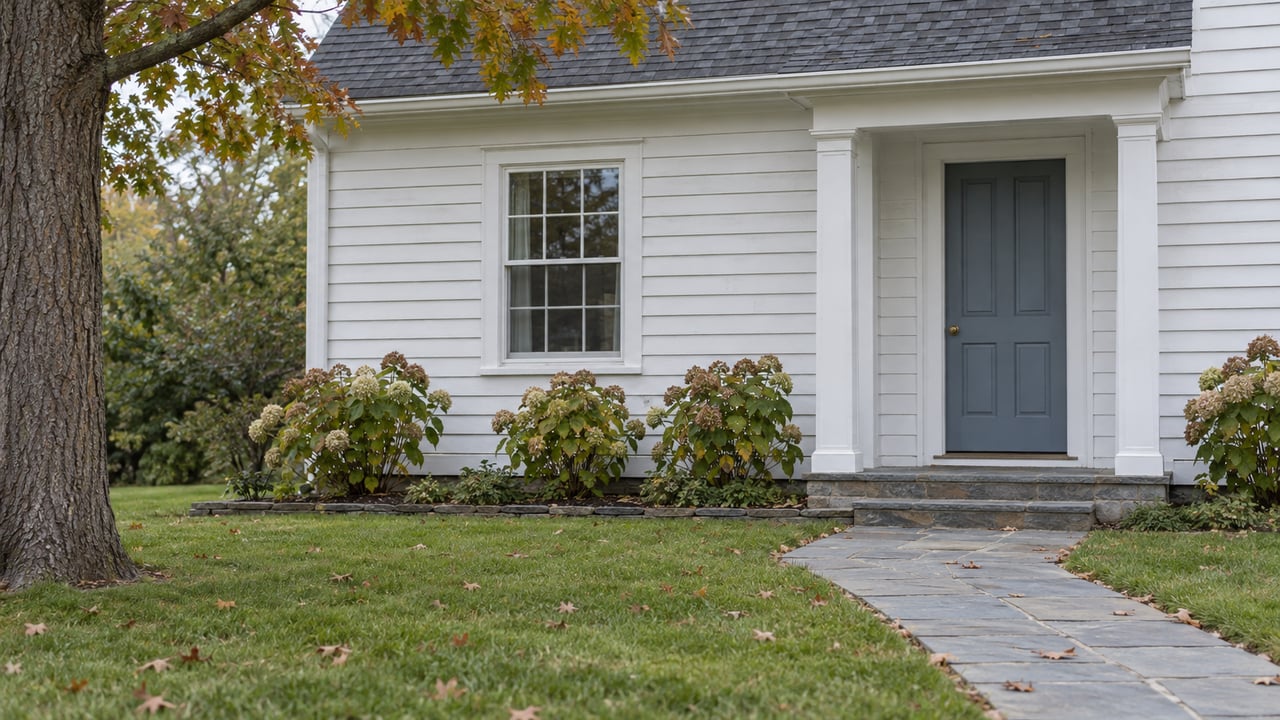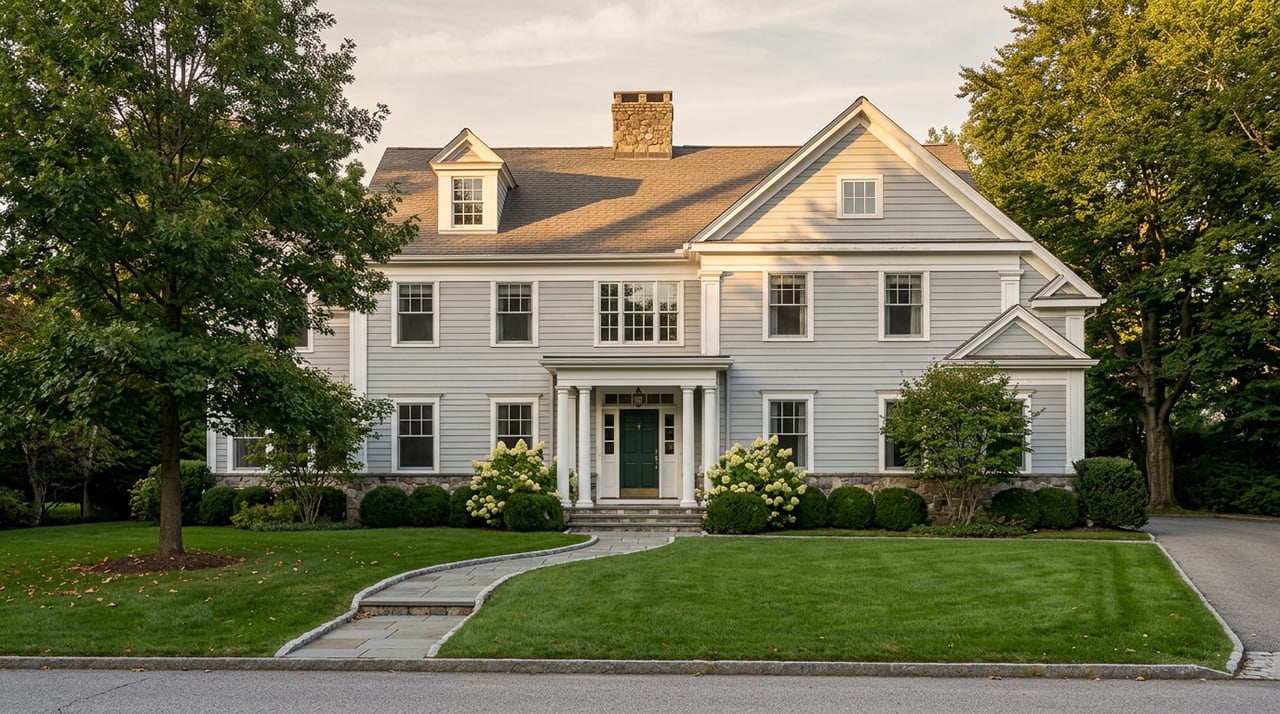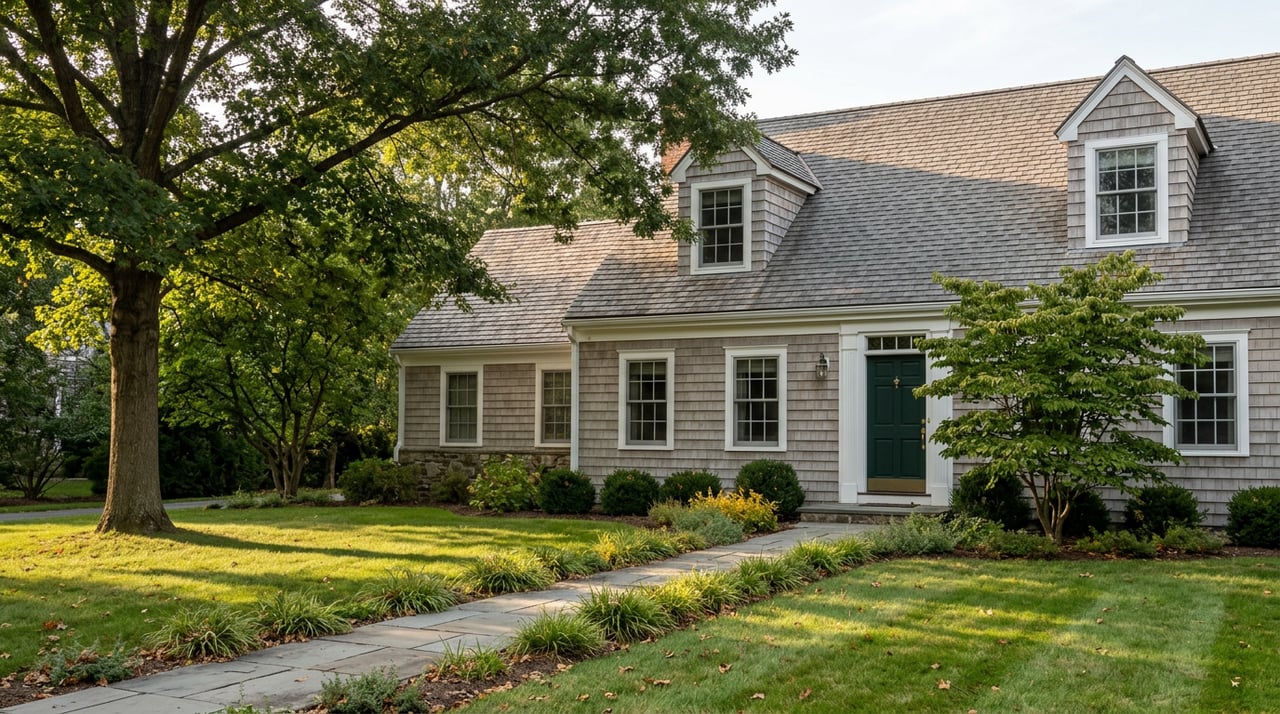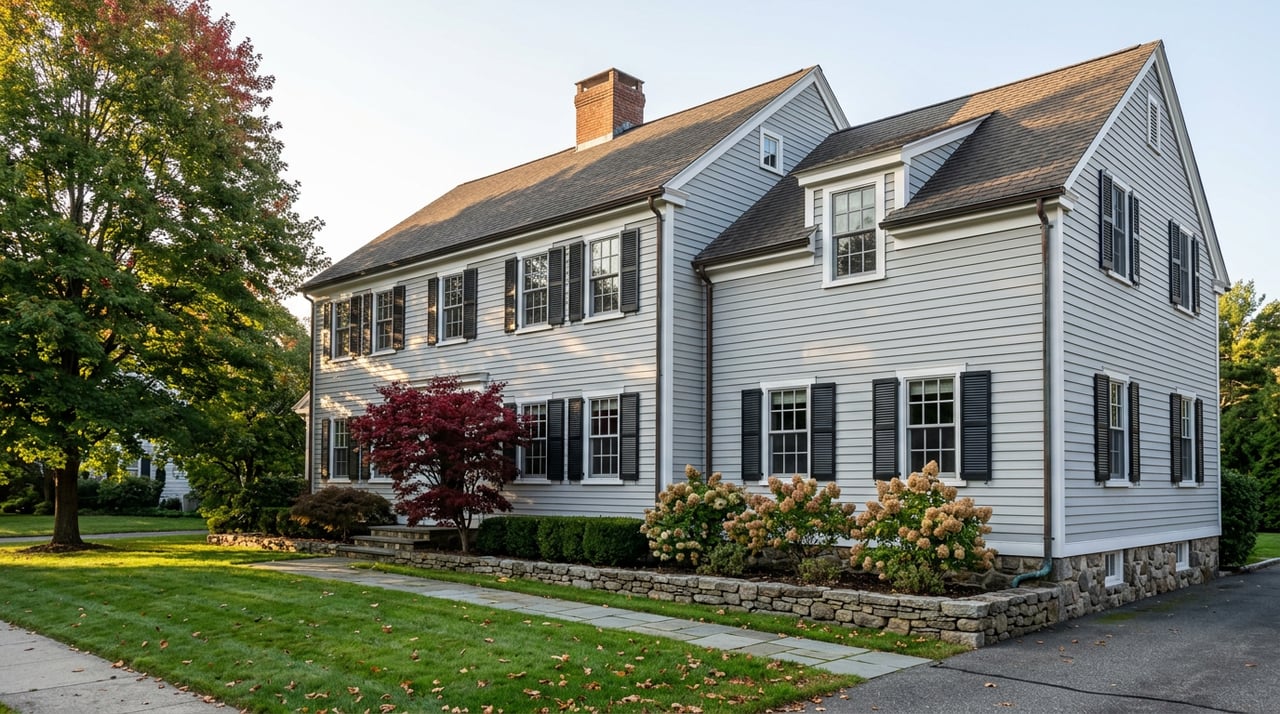
If you're picturing a house on Central Street in Andover and assuming its historic status has kept a tight leash on what any owner could do to the exterior, that assumption would have been wrong for most of the past 44 years. The Central Street District was listed on the National Register of Historic Places in 1982. For decades, that listing was largely symbolic. No commission reviewed your window replacement. No one signed off on your new garage door. That changed only last year, when Andover's 2025 Town Meeting created the Central Street Historic District Commission and gave the area, for the first time, the power to say no.
That gap between "listed" and "regulated" is the thing most people get wrong about historic property in Andover, and it matters if you're buying an older home here, planning to sell one, or thinking about work on one you already own.
Three Bodies, Three Very Different Powers
Andover doesn't have one historic review process. It has three, and they don't all apply to the same houses in the same way.
The Ballardvale Historic District Commission covers the old mill village centered on Andover Street, with Center, Marland, Dale and High Streets laid out in an 1848 subdivision, plus portions of High Vale Lane, Chester, Oak and Tewksbury Streets and Clark Road. If your house sits inside that footprint, any exterior work visible from a public way needs a Certificate of Appropriateness before the town will issue a building permit. That has been true since the district was established in 1995.
The Central Street Historic District Commission covers properties with frontage on Central Street between Phillips Street and Essex Street, even where the mailing address is on a side street. This is the newer authority, created by Town Meeting vote in 2025, and it works the same way Ballardvale's does: exterior changes need sign-off before a permit gets issued.
The Andover Preservation Commission operates differently and townwide. It doesn't map a district. Instead, its authority attaches to any building listed on the Andover Historic Building Survey, the Massachusetts Historical Commission inventory, or the National Register, wherever that building happens to sit. Its sharpest tool is a demolition delay of up to twelve months on buildings it finds historically significant, a power that has been in place since 2003 and has been credited with saving the oldest house in Andover from the wrecking ball. It also weighs in on exterior changes to individually listed properties, from siding and windows to rooflines and chimney removal, but it stays out of interior work, paint color, and routine maintenance.
| Authority | What triggers review | What it can require |
|---|---|---|
| Ballardvale Historic District Commission | Any exterior work visible from a public way, inside the mapped district | Certificate of Appropriateness before a building permit is issued |
| Central Street Historic District Commission | Exterior work on Central Street-fronting properties, Phillips to Essex Street | Certificate of Appropriateness before a building permit is issued |
| Andover Preservation Commission | Demolition or exterior change to a property on the town's historic survey, MHC inventory, or National Register, anywhere in town | Up to a 12-month demolition delay; recommendations on exterior changes |
A house can be old, photogenic, and locally beloved without triggering any of this. It can also be a modest ranch that happens to sit inside a mapped district boundary and face the same review as the grandest Victorian on the street. Age and architecture aren't the trigger. The address is.
The Bylaw Just Got Rewritten, and That Matters for Timing
Andover's Select Board voted 5-0 in March 2026 to recommend the first major revision to the Ballardvale bylaw since it was written in 1995, and Town Meeting approved the update on April 28 and 29, 2026. The process behind it ran through five publicly televised commission meetings, a community survey that drew 206 responses, and two public forums for Ballardvale residents.
The rewrite didn't loosen everything. It added specific exemptions from commission review: retaining walls under four feet, solar panels, satellite dishes, and other work that doesn't already require a building permit. It also introduced an expedited approval track for applicants who make the changes the commission asks for, rather than starting the clock over. For anyone planning pre-listing exterior work on a Ballardvale home this fall or next spring, that expedited path is worth knowing about before you schedule a contractor.
What the rewrite didn't touch is the underlying authority itself. A Certificate of Appropriateness is still required for renovation, construction, additions, or demolition affecting a house, an outbuilding, a pool, a fence, or a retaining wall over four feet, if any of it is visible from a street, sidewalk, or park. Skip that step and the town can issue a stop-work order or a fine, on top of whatever it costs to fix.
How the commission applies its judgment came through clearly in resident feedback gathered before the rewrite. One Ballardvale homeowner described asking to replace windows that had already been swapped out in the 1970s on a house built in the 1890s, seeking better energy performance. The commission agreed the new windows would look indistinguishable from the street. It denied the request anyway, citing the structural profile of the proposed replacement. That's the kind of outcome a rewritten exemption list for solar panels and short retaining walls doesn't change. Window swaps on a visible facade are still a commission decision, not a homeowner one.
What This Actually Means Before You List or Renovate
If you own, or you're considering, a home inside Ballardvale or along Central Street, a few things follow directly from how these commissions work.
Check district status before you plan exterior work, not after. A deck, a fence, or a repaved driveway that would be routine anywhere else in Andover may need a Certificate of Appropriateness first if it's visible from the street. That approval step happens before the building permit, not alongside it, so it needs to be built into your renovation timeline months in advance of a spring listing, not the week before photos.
Don't assume National Register status means nothing regulates the property, and don't assume it means everything does. Central Street's National Register listing sat for over four decades without local design authority behind it. That changed in 2025. A house elsewhere in town that's individually listed on the Andover Historic Building Survey or the MHC inventory, but sits outside both mapped districts, still falls under the Preservation Commission's demolition-delay authority even though no district commission reviews its windows or siding.
Ask what specifically triggered any past review on a property you're considering. A previous owner's stop-work order, a denied application, or a demolition delay finding is the kind of history that shapes what you'll be able to do with the house, and it's worth surfacing in conversation with your agent and with the seller before you're deep into a purchase.
If you're weighing an addition or a major exterior renovation, look at whether the specific commission with jurisdiction over your address has recently updated its guidelines. Ballardvale's rewrite came with a promise of a separate, more detailed design guidelines document to follow the bylaw itself. That kind of update can change what's realistic to plan for a property years before you'd otherwise think to check.
A Few Common Questions
Does every old house in Andover need historic review before renovation? No. Only properties inside the Ballardvale or Central Street district boundaries, or those individually listed on the town's historic survey, the MHC inventory, or the National Register, fall under one of these three authorities. A lot of older Andover homes fall under none of them.
My house is old but I don't think it's in a mapped district. What applies to me? If it's individually listed on the Andover Historic Building Survey, the MHC inventory, or the National Register, the Andover Preservation Commission can weigh in on exterior changes and has demolition-delay authority, even without a mapped district around it. If it isn't listed anywhere, none of these three bodies has jurisdiction.
How long does a Certificate of Appropriateness take? The research doesn't give a fixed timeline, and it will vary by project complexity and commission meeting schedule. The Ballardvale commission meets the first Wednesday of each month, and the 2026 rewrite added an expedited track for applicants responding to requested changes, which can shorten a second round compared to before.
Historic character is one of the things that makes an Andover address worth a look, but the rules that come with it aren't the same from block to block or year to year. Knowing which commission has jurisdiction over a specific address, and how recently its rules changed, is the difference between a renovation timeline that holds and one that doesn't.
If you're weighing a purchase inside one of these districts, or planning to list a home that falls under one, Fudge Properties can walk through what applies to your specific address before you're committed to a timeline. Get Your Free Home Valuation and we'll start with what the town actually requires, not just what the listing photos suggest.