Thinking about buying a 2–4 unit in Billerica to jump-start cash flow or lower your housing costs? You are not alone. With strong commuter access, steady renter demand, and price points that often sit below Boston’s core, Billerica can be a practical entry into small multi-family ownership. In this guide, you will learn what typical properties cost, how to estimate rents and expenses, which financing paths fit first-time investors, and the Massachusetts rules you must follow. Let’s dive in.
Why Billerica works for small multi-family
Billerica sits in Middlesex County with access to the MBTA Lowell Line at the North Billerica station and major highways. That makes it attractive to renters who work across the Cambridge–Newton–Framingham corridor and beyond. You can review the station details and schedules on the MBTA resource hub at North Billerica station.
Public data shows Billerica’s typical home values in the roughly $600,000 to $720,000 range in late 2025 to early 2026. Duplex sales often trade near or above single-family medians because multi-unit supply is limited. The town also has a high share of owner-occupied homes, which means a smaller rental pool and generally low vacancy. You can explore local housing composition and occupancy rates on Census Reporter’s Billerica profile.
What you can buy and likely prices
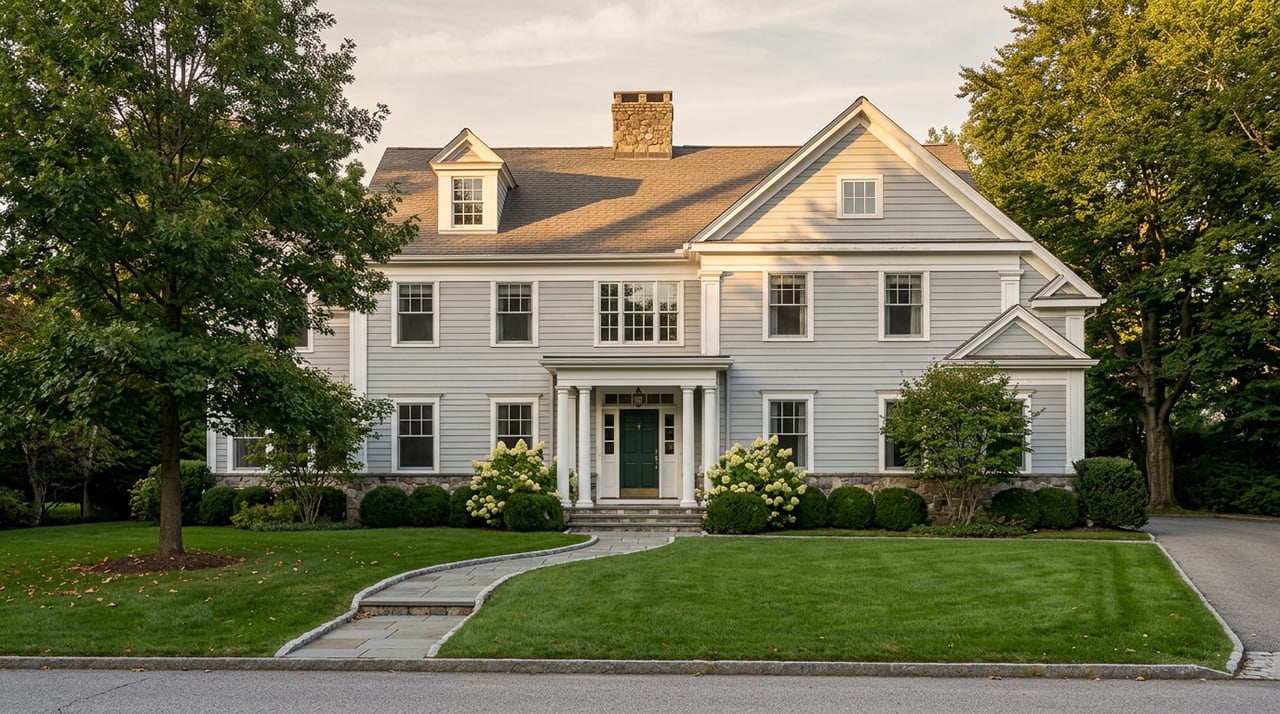
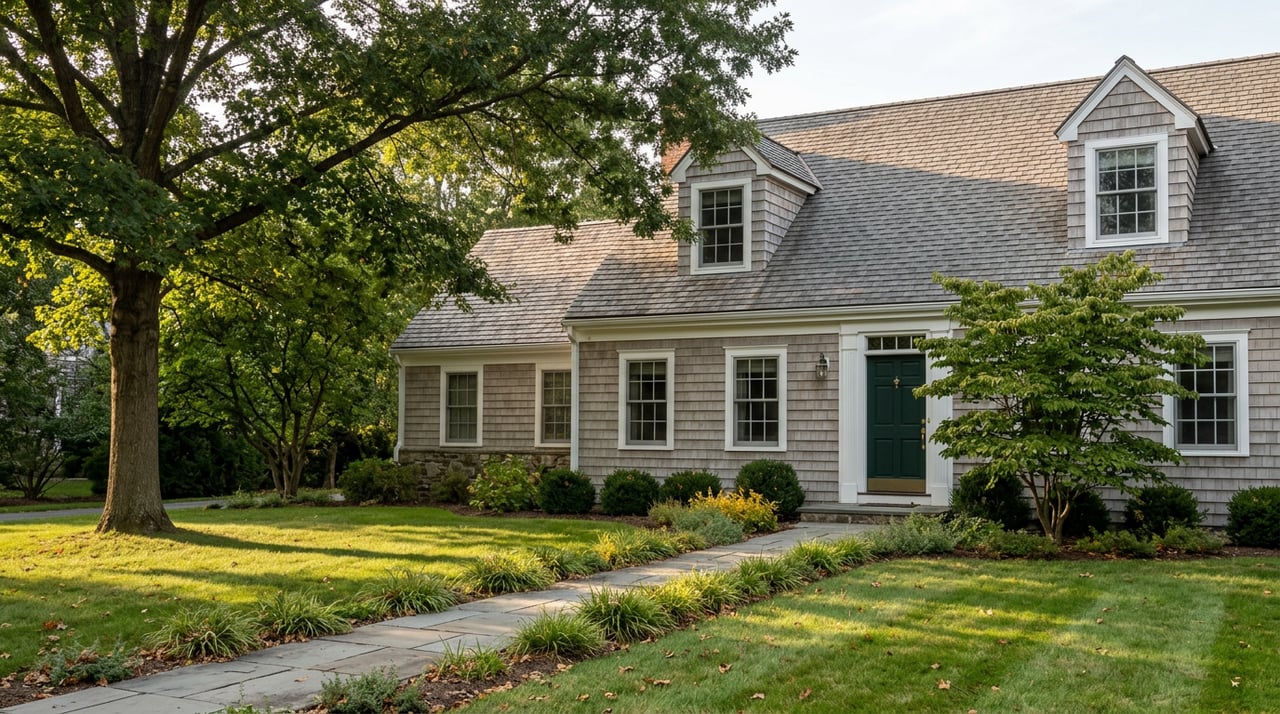
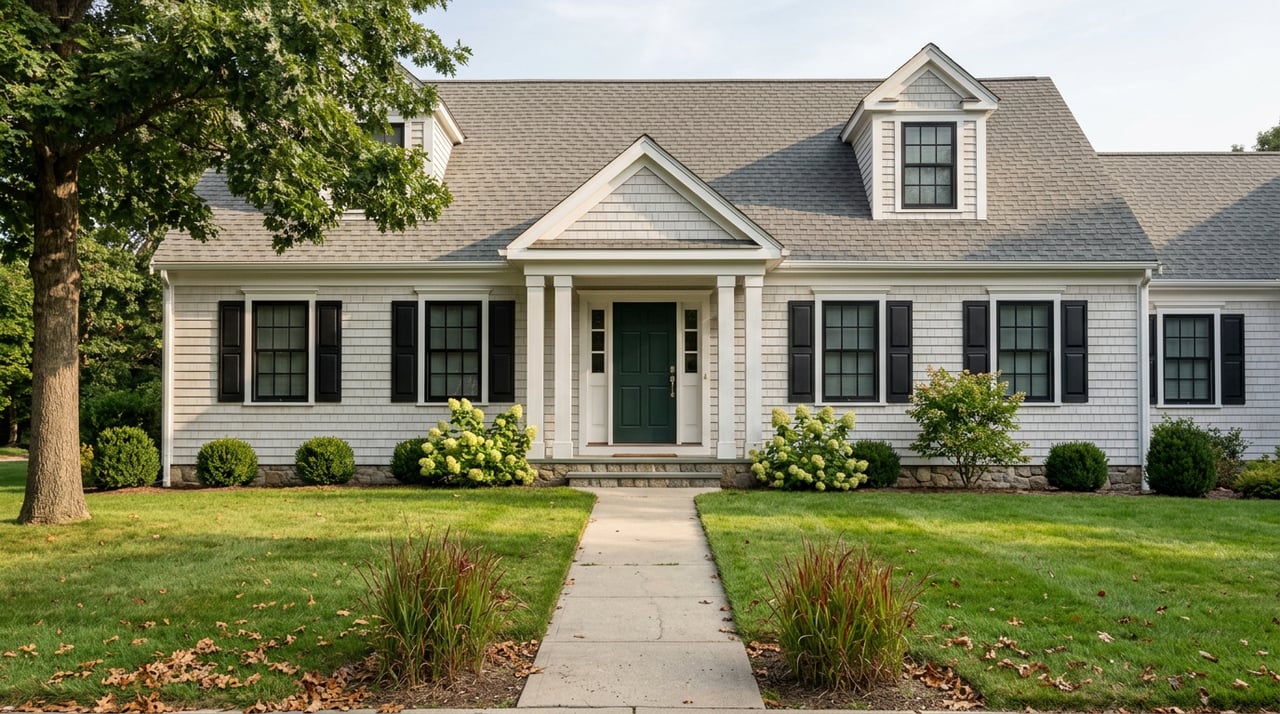
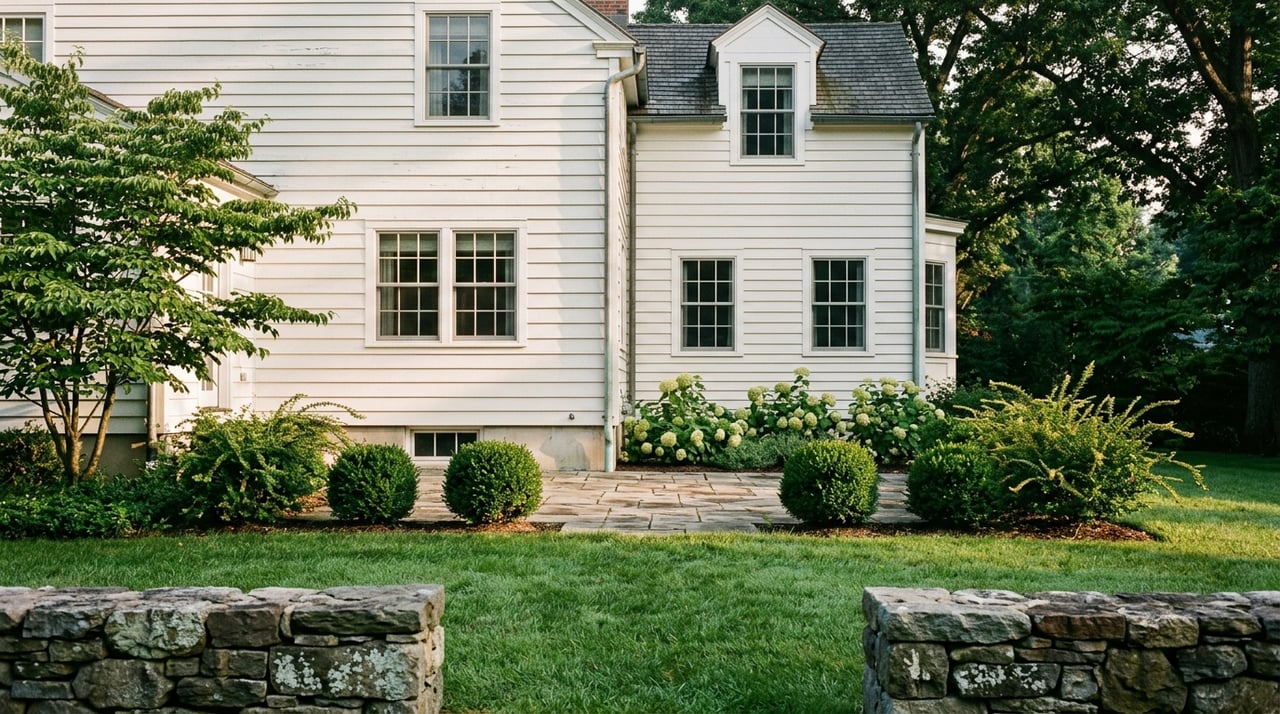
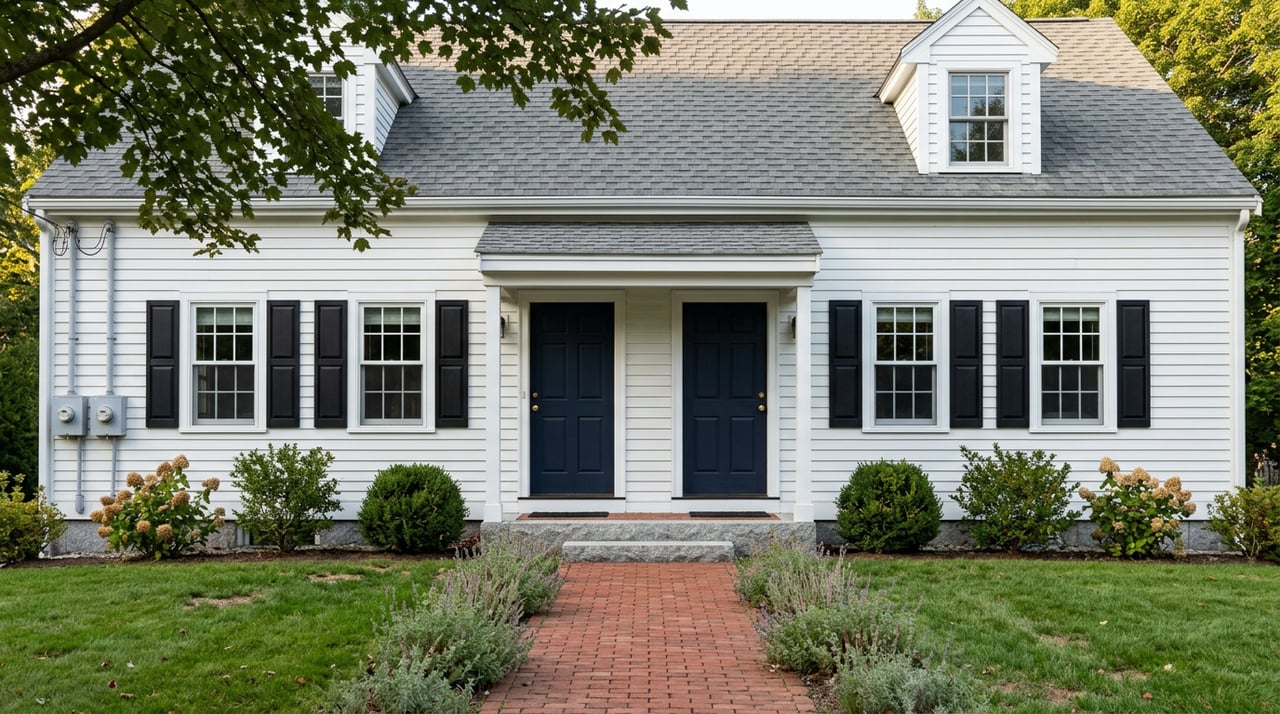
Most small multi-family options in Billerica are classic New England duplexes, with the occasional triplex or a converted single-family. Condition ranges from newly updated to properties that need roof, mechanical, or egress upgrades.
Recent two-family sales in town have closed in the high six-hundreds to the mid-eight-hundreds. That pricing reflects demand for flexible housing options and the limited number of small multi-family buildings that hit the market in any given year.
Rents and demand snapshot
Public rent trackers show Billerica’s average asking rents around $2,600 to $2,700 per month across unit types, with the largest share of listings in the 2,001 to 3,000 band. One-bedrooms often advertise near $2,000 and two-bedrooms commonly land in the low-to-mid $2,000s. For a conservative pro forma, many local buyers start with two-bedroom estimates between $2,300 and $2,700 per unit.
If you want a conservative baseline that reflects federal program benchmarks, compare your assumptions to HUD’s Fair Market Rents for Middlesex County on RentData.org. Use FMRs as a floor, then validate with current local listings.
Quick math: underwrite a duplex in 10 minutes
Here is a simple framework you can use to sanity check a two-family opportunity in Billerica. Adjust the inputs to match the property’s unit mix and condition.
- Assumptions: two 2-bedroom units at $2,400 per month each (midpoint of observed asking range).
- Gross monthly rent: 2 × $2,400 = $4,800.
- Gross annual rent: $57,600.
- Vacancy and collection allowance: 5 percent for a stable suburban market.
- Effective gross income: $57,600 × 0.95 = $54,720.
- Operating expenses: 35 to 50 percent of effective gross income is a common rule of thumb for small multi-family once you include taxes, insurance, landlord-paid utilities, routine repairs, and management if used. Many hands-on owners model 35 to 40 percent.
- At 40 percent: expenses $21,888, net operating income (NOI) $32,832.
- Cap rate sense check: if the price is $750,000, cap rate = $32,832 ÷ $750,000 ≈ 4.4 percent.
For quick planning, many owners also set aside about 10 percent of gross rent for repairs and maintenance or follow the 1 percent of property value per year heuristic. You can read more about these budgeting rules in this rental property calculator overview.
Tip: Run three cases for any property you like.
- Baseline: current finishes and average utility costs.
- Best case: minor upgrades and separate utility meters.
- Conservative: slightly lower rents and higher taxes or insurance.
Financing: owner-occupant vs investor loans
You have two main paths. House hacking as an owner-occupant can reduce your cash outlay, while buying purely as an investor typically requires more equity but comes with different underwriting.
- FHA for 2–4 units (owner-occupant only). FHA permits as little as 3.5 percent down for qualified borrowers who will live in one unit as a primary residence. County loan limits vary by unit count and are higher for duplexes and triplexes. Review the Massachusetts FHA overview and current loan limits through LendingTree’s summary. For triplexes and fourplexes, remember FHA’s reserve and self-sufficiency rules can affect approval.
- Conventional investor financing. If you will not occupy a unit, expect higher down payments, often 20 to 25 percent or more, and pricing that reflects investor risk. Some lenders use debt-service coverage ratio (DSCR) underwriting for small multi-family.
Unsure which route fits your plan? Ask for quotes for both scenarios on the same property, including projected mortgage insurance if applicable. That way you can compare cash needed at closing and your monthly payment side by side.
Property taxes and local rules to know
- Property tax planning. Billerica’s recent residential tax rate has been reported around $11.61 per $1,000 of assessed value for FY26. Use the town assessor’s figure for the current fiscal year and multiply by the assessed value to estimate annual taxes. You can see the rate cited in the town’s budget documents here: Billerica Budget Book.
- Accessory Dwelling Units and zoning. Massachusetts adopted ADU-friendly legislation in 2024. Billerica is updating its local zoning to align with state law. For any conversion ideas or density questions, confirm parcel-specific rules with the Town of Billerica using the ADU guidance page.
- Security deposits and last month’s rent. State law caps the security deposit at one month’s rent and requires you to hold it in a separate interest-bearing account with specific disclosures and accounting. Landlords may collect first and last month’s rent in addition to the deposit. Review the state’s requirements on Mass.gov’s security deposit page.
- Lead paint disclosure. For any property built before 1978, you must provide the federal lead disclosure form and the EPA/HUD pamphlet before lease signing. Details are on the EPA’s lead disclosure rule page.
- No rent control in Billerica. Massachusetts does not authorize local rent control. That said, tenant protections and notice requirements still apply. For a practical overview of notices, fees, and procedures, the Massachusetts Attorney General publishes a helpful Landlord–Tenant Rights guide.
What to inspect first on a 2–4 unit
Older New England buildings are durable but often need targeted updates. During your showing and inspection, focus on items that drive safety, code compliance, and operating costs.
- Separate utilities: check for individual electric and gas meters. If utilities are shared, budget for landlord-paid costs or sub-metering later.
- Roof and water management: roof age, flashing, gutters, and any signs of past water intrusion in basements or crawlspaces.
- Heating and hot water: age and type of systems, number of furnaces and tanks, and service records.
- Life-safety: egress windows, smoke and CO detectors, fire separation where required.
- Parking and access: off-street spaces, snow removal logistics, and safe exterior egress.
Always include an inspection contingency and plan for access if units are occupied. If you need a local licensed inspector, ask us for referrals.
Self-manage or hire a property manager?
Plenty of owner-occupants manage a duplex themselves, especially if they live on-site. Consider third-party management if:
- You live more than about 30 minutes away or have a demanding schedule.
- You own or plan to own more than 5 to 10 units across properties.
- You want professional leasing, screening, and a ready vendor network.
Local management typically runs 6 to 12 percent of collected rent, plus leasing fees. For a deeper look at cost and decision points, this industry overview outlines common break-even thresholds: multifamily investing guide.
Step-by-step: your first 30 days
Use this punch list to move from interest to action with clarity.
- Clarify your plan and budget
- Decide owner-occupant vs investor purchase.
- Set a comfortable payment range and cash target for down payment, closing costs, and initial reserves.
- Confirm priorities: location, separate utilities, parking, renovation tolerance.
- Get pre-approved on two tracks
- Request quotes for both FHA owner-occupant and conventional options to compare down payment and monthly cost.
- Ask lenders to review current Middlesex County loan limits by unit count. Start with this FHA limits summary.
- Build your underwriting template
- Inputs: unit rents by bedroom, 4 to 6 percent vacancy, 35 to 50 percent operating expense ratio, property tax from the assessor, and a repair reserve.
- Cross-check rents against HUD FMRs on RentData.org and a snapshot of current local listings.
- Tour and inspect with intent
- Prioritize properties with clean egress, functional systems, and logical layouts.
- Note meter counts, heating types, and any signs of moisture.
- If you move to offer, include an inspection contingency and plan access with the seller if occupied.
- Verify zoning and records
- Call the Town of Billerica to confirm use, parking, and any open permits. For ADU questions, start with the town’s ADU page.
- Review leases and compliance
- If buying occupied, evaluate lease terms, rent amounts, security deposit handling, and utility responsibilities.
- Ensure pre-1978 units have the required federal lead disclosures and pamphlet as noted by the EPA.
- Decide on management
- If you will self-manage, line up vendors for plumbing, electrical, HVAC, and snow.
- If hiring a manager, interview at least three firms and compare fees, lease-up speed, and reporting.
Ready to run numbers on a specific property or want local comps for two- to four-family sales in the last 6 to 12 months? Reach out to Nancy Fudge for hands-on guidance, current rent checks, and introductions to trusted lenders and inspectors.
FAQs
What are typical duplex prices in Billerica right now?
- Recent two-family sales have generally ranged from the high six-hundreds to the mid-eight-hundreds, reflecting limited supply and steady demand.
How much rent can I expect for a two-bedroom unit in Billerica?
- Public trackers commonly show two-bedroom asking rents in the low-to-mid $2,000s; for underwriting, many buyers model $2,300 to $2,700 and then validate with current local listings.
Does Billerica have rent control or rent caps?
- No. Massachusetts does not authorize local rent control in Billerica, but landlords must follow state notice, fee, and habitability rules outlined in the Attorney General’s guide.
Can I use an FHA loan to buy a triplex or fourplex?
- Yes if you will occupy one unit and qualify. FHA allows low down payments on 2–4 unit properties, subject to county loan limits and rules like reserves and a self-sufficiency test for 3–4 units. Start with this FHA limits overview.
What should I budget for repairs and maintenance each year?
- A common baseline is 10 percent of gross rent or about 1 percent of property value per year. Many owners also model a 35 to 40 percent operating expense ratio when estimating total non-mortgage costs.
What are the key Massachusetts leasing rules I must follow?
- Security deposits are capped at one month’s rent and must be held in a separate interest-bearing account with specific disclosures, and pre-1978 units require federal lead paint disclosures and the EPA/HUD pamphlet. See Mass.gov’s deposit guidance and the EPA disclosure rule.